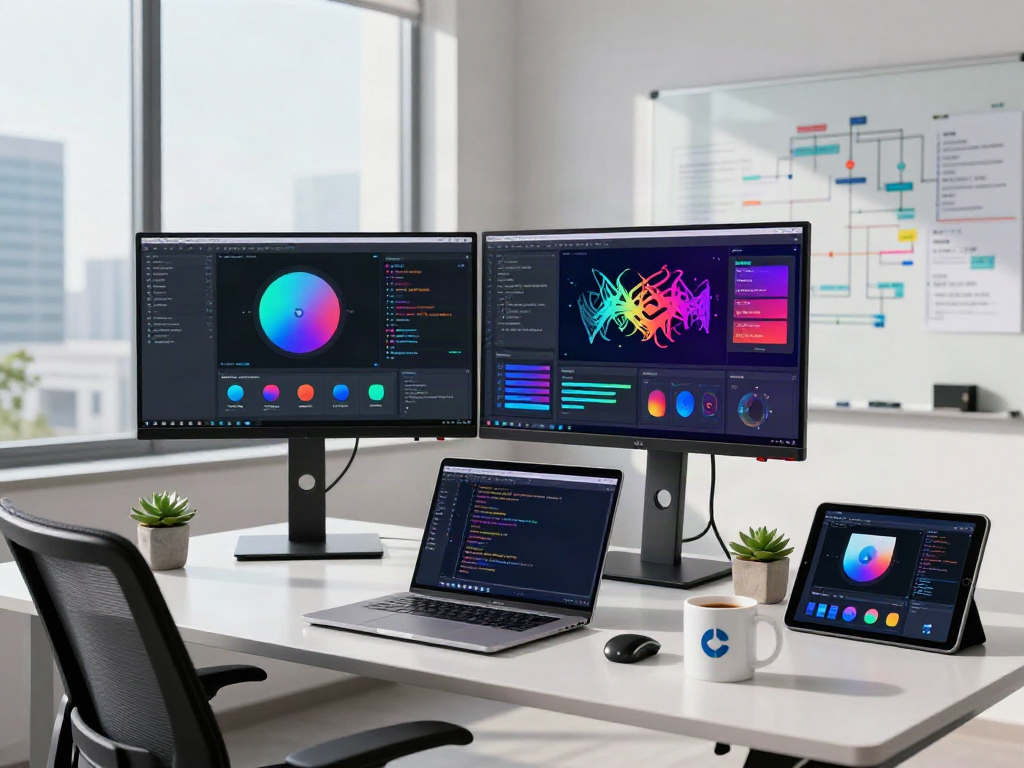
Understanding Corporate IT Solutions
Definition and Importance of Corporate IT Solutions
Corporate IT solutions refer to a comprehensive suite of services and technologies designed to support the IT infrastructure of a business. These solutions are crucial for ensuring that organizations can operate efficiently while leveraging technological advancements. Implementing these solutions allows businesses to optimize processes, enhance productivity, and maintain competitive advantages in an ever-evolving digital landscape. Notably, corporate IT solutions encompass everything from network management and cybersecurity to cloud computing and data analytics.
Key Components of Corporate IT Solutions
Understanding the key components of corporate IT solutions is essential for organizations looking to innovate and improve service delivery. These components often include:
- Infrastructure Management: This involves managing the physical and virtual resources of a company, including servers, storage, and networking equipment.
- Software Solutions: These may include enterprise resource planning (ERP) systems, customer relationship management (CRM) systems, and bespoke applications tailored to specific business needs.
- Data Security: Protecting sensitive information from cyber threats is a cornerstone of corporate IT solutions, involving firewalls, antivirus software, and encryption technologies.
- Cloud Computing: Cloud solutions provide flexibility by allowing businesses to store and process data remotely, improving scalability and reducing hardware costs.
- Technical Support: Ongoing IT support is crucial to resolve issues, maintain hardware and software, and provide training to staff.
Trends Shaping Corporate IT Solutions
The world of corporate IT solutions is constantly evolving. A few prominent trends influencing this landscape today include:
- Integration of AI: Artificial intelligence is being used to enhance decision-making, improve customer service through chatbots, and streamline operations.
- Cybersecurity Enhancements: As cyber threats grow, businesses are investing more in sophisticated security tools and protocols.
- Remote Work Technologies: Solutions enabling remote access and collaboration are becoming standard as businesses adapt to hybrid work models.
- Sustainability Initiatives: There's a growing focus on implementing IT solutions that reduce energy consumption and improve environmental sustainability.
Benefits of Implementing Corporate IT Solutions
Improved Operational Efficiency
One of the primary benefits of implementing corporate IT solutions is improved operational efficiency. By integrating automation and streamlining processes, businesses can reduce manual errors and optimize workflows. This efficiency translates into faster project delivery, reduced costs, and better resource management. For example, an organization that adopts an ERP system can automate various departments' functions, resulting in a cohesive overview of operations and faster decision-making.
Enhanced Security Measures
In today's digital age, security is paramount. Corporate IT solutions provide advanced security measures that protect sensitive data from breaches and fraud. Incorporating technologies like multi-factor authentication, data encryption, and intrusion detection systems helps organizations safeguard not only their data but also their reputation. A robust cybersecurity framework can avert costly breaches and maintain customer trust.
Cost-Effectiveness in Long-Term Operations
Though implementing corporate IT solutions may require initial investment, the long-term cost savings can be significant. By utilizing cloud solutions, businesses can reduce the expenses related to hardware and system maintenance. Additionally, the efficiency gained through optimized processes can lead to decreased operational costs and higher profit margins, making corporate IT solutions a wise choice for any organization looking to reduce operational expenditures.
Common Challenges in Corporate IT Solutions
Integration with Existing Infrastructure
Integrating new corporate IT solutions with existing infrastructure is often a significant challenge. Companies may struggle with legacy systems that are incompatible with modern solutions. An effective strategy to navigate this challenge is to conduct a thorough assessment of current systems and develop a phased integration plan. This ensures that new technologies complement rather than disrupt existing workflows.
Maintaining Data Privacy and Compliance
With increasing regulations around data privacy, ensuring compliance is a challenge many organizations face. Corporate IT solutions must include protocols for data management, storage, and sharing that align with legislative requirements such as GDPR or HIPAA. Regular audits and employee training related to compliance can help mitigate risks associated with data privacy breaches.
User Adoption and Training Issues
User adoption often poses hurdles in the implementation of corporate IT solutions. Employees may resist adopting new technologies due to lack of familiarity or fear of change. Organizations can address these concerns proactively by offering comprehensive training and support. Engaging employees in the decision-making process regarding new tools can also increase buy-in and lead to better user experience.
Steps to Implement Effective Corporate IT Solutions
Assessing Organizational Needs
The first step in implementing effective corporate IT solutions is a thorough assessment of organizational needs. This involves evaluating current IT capabilities, understanding gaps, and identifying specific business goals. A clear understanding helps tailor IT solutions that align with strategic objectives, ensuring a more focused and beneficial implementation.
Selecting the Right Technologies
Choosing the right technologies is critical for successful implementation. Organizations should evaluate different options based on flexibility, scalability, and user-friendliness. Engaging in pilot programs with potential vendors can also provide insights into how well the solutions meet organizational needs before full-scale deployment.
Monitoring and Continuous Improvement
Once corporate IT solutions are implemented, continuous monitoring is essential. Organizations should establish metrics for success and regularly assess performance against these metrics. Gathering user feedback can also inform improvements and refinements, creating a loop of ongoing development and support that aligns with business evolution.
Measuring Success of Corporate IT Solutions
Key Performance Indicators (KPIs)
To measure the success of corporate IT solutions, businesses should define Key Performance Indicators (KPIs) that are relevant to their goals. Common KPIs may include system uptime, user satisfaction rates, incident response times, and overall cost savings. Regularly analyzing these metrics helps organizations gauge the effectiveness of their IT solutions and make necessary adjustments.
Feedback Loops and User Surveys
Gathering feedback from users is crucial for understanding the impact of corporate IT solutions. Implementing regular surveys allows organizations to gauge user satisfaction and encourage continuous improvement. These insights can lead to enhanced training initiatives and updates to software or services that better meet user needs.
Case Studies of Successful Implementations
Studying successful case implementations can provide valuable lessons for other organizations. By analyzing the experiences of peers, businesses can identify best practices and potential pitfalls. Documented success stories often shed light on effective integration strategies, technology selections, and user engagement techniques that yield positive outcomes in corporate IT solutions.
Frequently Asked Questions About Corporate IT Solutions
What are corporate IT solutions?
Corporate IT solutions comprise various technologies and services tailored to support and optimize business IT infrastructure, including software, cloud services, and security measures.
Why are corporate IT solutions important?
Corporate IT solutions are vital as they enhance operational efficiency, improve security, and contribute to long-term cost savings, ultimately supporting business growth and competitiveness.
How do I choose the right IT solution?
Selecting the right IT solution involves assessing organizational needs, evaluating technology options, and considering scalability, ease of use, and vendor support.
What challenges come with implementing IT solutions?
Common challenges include integrating new technologies with existing systems, ensuring data privacy compliance, and managing user adoption and training.
How can I measure the success of IT solutions?
Success can be measured through KPIs like user satisfaction, operational efficiency metrics, and assessing feedback from users to inform ongoing improvements.