Introduction to How to Shave with a Straight Razor
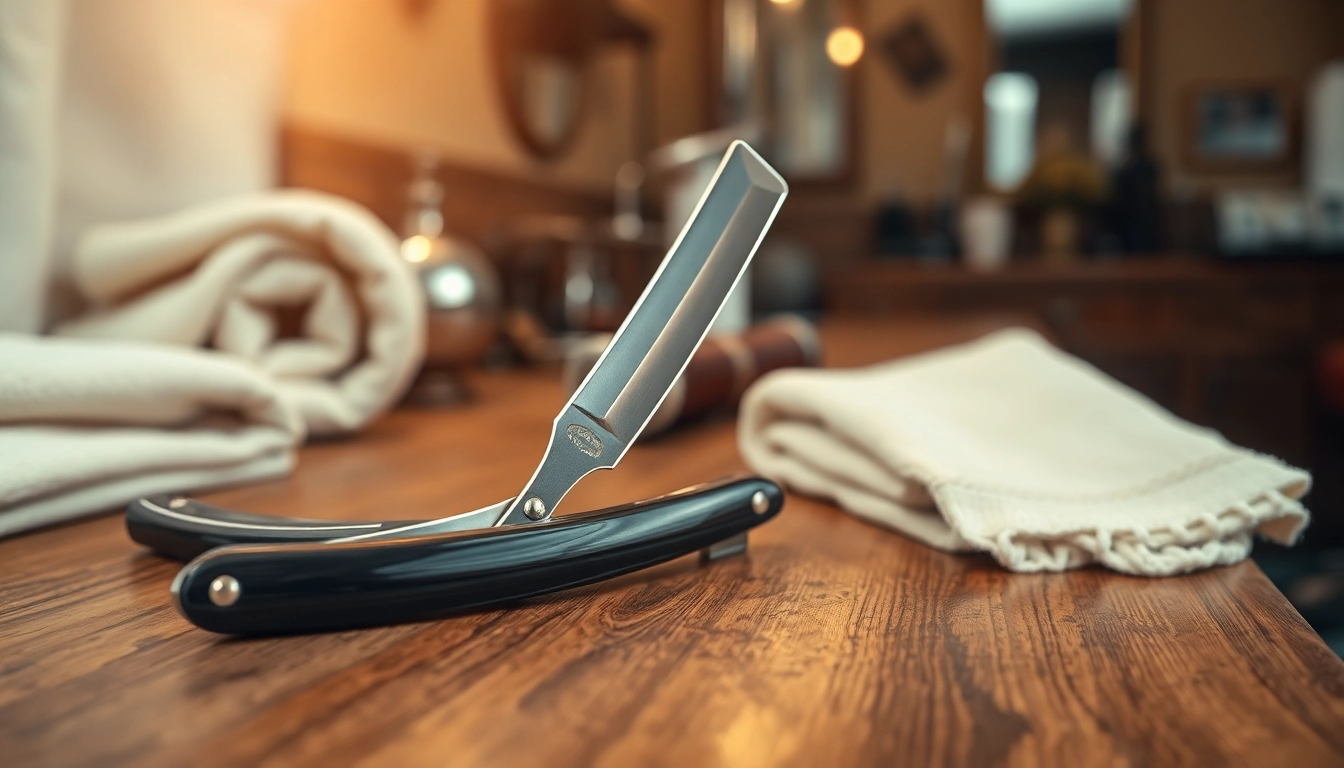
Shaving with a straight razor can seem intimidating at first, but this traditional method offers not only a close shave but also a rich experience steeped in history and craftsmanship. Unlike modern multi-blade cartridges, straight razors provide the precision and control that many men seek while grooming. Moreover, utilizing a straight razor can lead to less irritation and smoother skin over time. In this guide, we will delve into how to shave with a straight razor, exploring everything from the necessary tools to step-by-step techniques that ensure safety and efficiency.
Understanding the History and Benefits
The straight razor has been a part of men's grooming for centuries, with origins tracing back to ancient civilizations. Initially carved from iron or obsidian, the design evolved, leading to the sophisticated steel razors we use today. Embraced by barbers and home shavers alike, this method has long been associated with a refined grooming ritual.
One of the most compelling benefits of straight razors is the quality of the shave they deliver. The single, sharp blade can navigate the contours of your face, cutting hair at its base for a much closer finish. Additionally, using a straight razor tends to reduce skin irritation, leading to a more comfortable shave compared to multi-blade systems. Beyond practicality, straight razor shaving embodies a commitment to the craft, lending it an air of sophistication and artistry.
Key Tools for Straight Razor Shaving
Before embarking on your straight razor journey, it's essential to gather the right tools to ensure a successful and safe experience. Key tools include:
- Straight Razor: Look for a quality blade, preferably made from stainless steel, to ensure longevity and ease of maintenance.
- Strop: A leather strop is crucial for keeping the razor's edge sharp, allowing for a smooth shave.
- Shaving Brush: Using a shaving brush enhances lathering and helps distribute cream evenly across the skin.
- Shaving Soap or Cream: Select products that suit your skin type, aiming for those with moisturizing properties.
- Towel: A warm, damp towel is useful for preparing your skin before shaving, opening up pores for a better result.
Common Myths about Straight Razor Shaving
While straight razors offer numerous benefits, several myths can deter newcomers from trying this method. Here are a few common misconceptions:
- Myth 1: Straight razors are only for barbers. Fact: Anyone can learn to shave with a straight razor with proper practice and guidance.
- Myth 2: You will always cut yourself. Fact: While cuts can happen, they can be minimized with proper technique and care.
- Myth 3: It's too difficult to maintain. Fact: With a proper care routine, straight razors can last a lifetime.
Preparing for Your Shave
Skin Preparation and Hydration Techniques
Preparation is critical to a successful and comfortable shave. Proper skin preparation reduces irritation and achieves a closer shave. Start by cleansing your face thoroughly to remove dirt and excess oil. Following the wash, apply a warm towel to your face for several minutes; this step helps open the pores, softening the hair for easier shaving. After that, apply a quality pre-shave oil to condition your skin and beard, allowing the razor to glide smoothly.
Selecting the Right Straight Razor
Choosing the right straight razor is vital to the overall shaving experience. Consider the following factors:
- Blade Material: Stainless steel is preferable for its durability.
- Blade Width: A wider blade (around 5/8” to 7/8”) is easier for beginners to handle.
- Weight and Balance: Select a razor that feels comfortable in your hand, allowing for good control.
Before making a purchase, it’s advisable to read reviews or consult experienced users for recommendations.
Essential Shaving Creams and Soaps
Choosing the right shaving cream or soap is crucial, as it directly affects the shaving experience. Look for products with natural ingredients, avoiding those with alcohol or artificial fragrances that can irritate the skin. Products rich in glycerin or lanolin provide excellent lubrication, ensuring a smoother glide. Remember that a good lather is essential, as it protects the skin and prepares the hair for cutting.
Techniques on How to Shave with a Straight Razor
Holding the Razor Properly for Beginners
The grip you use will significantly impact your control and safety while shaving. Hold the razor firmly but not too tightly, as you want to maintain a gentle touch. Your index finger should be placed along the spine, while your thumb rests on the pivot point of the blade. This grip allows for optimal maneuverability and precision.
Shaving Patterns: WTG, XTG, and ATG
Understanding shaving patterns is essential for achieving a close, comfortable shave. The commonly used techniques include:
- WTG (With The Grain): This is the initial pass where you shave in the same direction as your hair growth.
- XTG (Across The Grain): The next pass should be across the direction of hair growth, aiding in achieving closeness.
- ATG (Against The Grain): The final pass goes against the hair grain, providing the closest shave while being mindful of sensitive areas.
Practice these passes gradually, focusing on control and angle.
Avoiding Common Mistakes When Shaving
Even experienced shavers can make common mistakes that lead to irritation or cuts. Here are some tips to avoid pitfalls:
- Always maintain the correct blade angle (about 30 degrees) to minimize pulling and irritation.
- Never rush. Take your time to ensure precision and control.
- Keep your skin taut with your free hand to create a smooth surface for the razor.
Maintaining Your Straight Razor
How to Care for Your Razor After Use
Proper care for your straight razor will extend its lifespan and maintain performance. After every use, rinse the blade in warm water to remove hair and shaving cream. Pat it dry carefully with a towel, making sure to avoid rust. Next, apply a thin layer of oil along the blade to prevent corrosion, especially if you’re not planning on using it for a while.
Stropping and Honing Techniques for Longevity
Stropping is essential in maintaining the sharpness of the blade. Use a leather strop, which aligns the microscopic teeth on the edge. Do this before each shave, making gentle, even strokes without pressing hard. Honing is needed occasionally using a whetstone or honing paste to restore the edge. Aim to hone the blade every few months, depending on your shaving frequency.
Storing Your Razor Safely
Store your straight razor in a protective case or with its blade cover to prevent damage when not in use. Ensure it’s placed in a dry area to minimize moisture exposure—ideal conditions can prevent rust and maintain the blade's integrity.
FAQs about How to Shave with a Straight Razor
Is straight razor shaving suitable for beginners?
Yes, straight razor shaving is suitable for beginners, provided they follow proper techniques and take time to practice. With patience and guidance, you can master it effectively.
What if I cut myself while shaving?
If you cut yourself, clean the area with warm water and apply an antiseptic. Use a styptic pencil or powder to help stop the bleeding quickly.
How often should I strop my straight razor?
Strop your straight razor before each shave to maintain the edge. Regular stropping keeps your blade in optimal condition and prolongs its lifespan.
Do I need special creams for straight razor shaving?
While not strictly necessary, using high-quality shaving creams or soaps enhances the experience. Look for moisturizing products that provide a rich, protective lather.
Can women use straight razors for shaving?
Absolutely! Women can use straight razors for shaving areas like legs and underarms. It’s about personal preference and adopting the correct techniques.