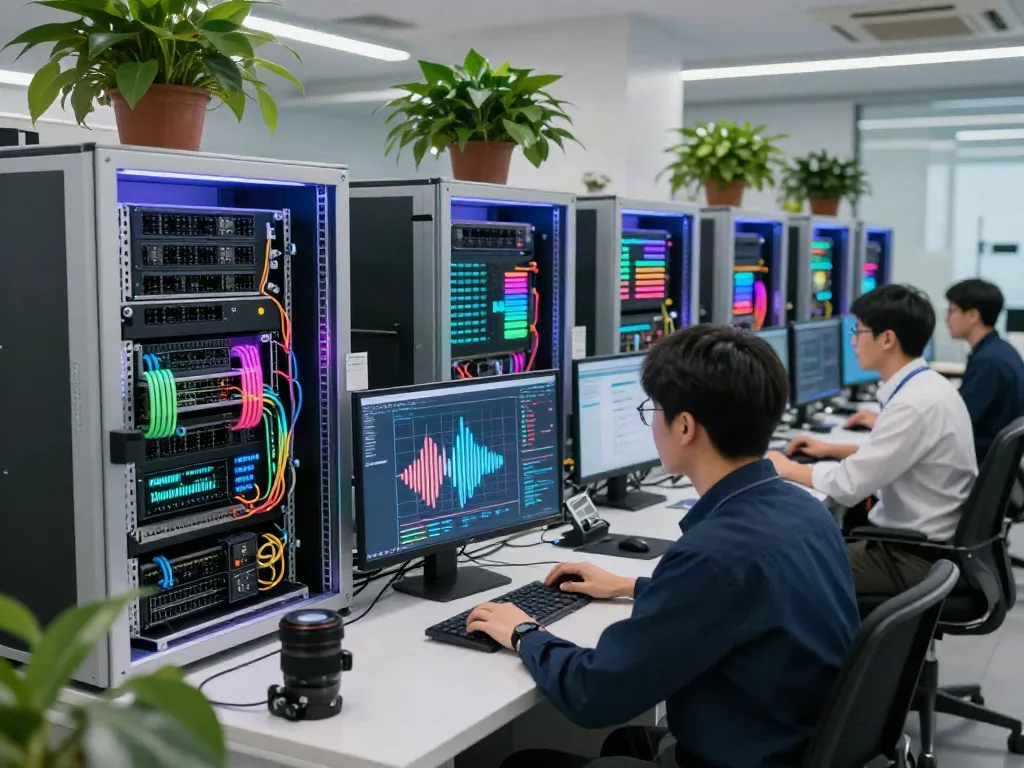
The Fundamentals of the AI Token Economy
The AI Token Economy is an emerging landscape that intertwines artificial intelligence (AI) with economic models facilitated by token systems. As businesses and individuals increasingly rely on AI-driven solutions, understanding how this economy functions is essential for stakeholders. Central to this understanding is the exploration of AI tokens, which serve as units of value within AI ecosystems. When exploring options, AI Token Economy provides comprehensive insights into this burgeoning field. This article delves into the vital components that make up this economy, highlighting the importance of power infrastructure to its success.
Understanding AI Tokens and Their Role
AI tokens represent the smallest units of computation within AI models. Each interaction with an AI system, such as querying a chatbot or processing a data set, consumes these tokens. Unlike traditional currencies, AI tokens are metered by the usage of computational resources, specifically in how AI processes information. This mechanism allows for an economic model that aligns closely with the actual utilization of AI technologies.
For example, when a user queries an AI model, the model breaks down the request into input tokens, which are then processed by the underlying GPU infrastructure. The result, an output token, reflects the AI's response, embodying its computational value. This token economy not only ensures efficient resource use but also enables users to pay precisely for what they consume, creating a fairer marketplace.
The Importance of Power Infrastructure in AI
The reliance on AI technologies demands a robust power infrastructure. Power is not merely a byproduct of AI operation; it is the foundation on which these systems rely for functionality and efficiency. High-density GPU architectures require substantial electricity to process complex calculations, and as AI demands grow, so does the need for reliable, scalable power solutions.
Moreover, the sustainability of AI operations is contingent upon the availability of clean and efficient energy sources. As the industry shifts towards greener alternatives, integrating renewable energy into AI power systems becomes not only a regulatory requirement but also a market expectation.
Key Components of the AI Token Economy Ecosystem
The AI Token Economy comprises several interconnected components, including power infrastructure, user contributions, and service providers. Each part plays a crucial role, with power infrastructure enabling the operations of AI factories, while tokens measure the value generated by these operations.
- Power Infrastructure: Essential for AI operations, ensuring efficient and reliable processing.
- User Contributions: Individuals and businesses contribute to AI power needs through tailored plans, helping to support the infrastructure while receiving rewards based on their input.
- Service Providers: Companies that manage AI workloads and represent the interface between the users and the computational processes.
How AI Infrastructure Powers the Token Economy
The intricate link between AI infrastructure and the token economy forms the backbone of this evolving industry. Infrastructure not only enables AI processing but also innovates how tokens are generated, tracked, and utilized.
Linking Electricity Consumption to Performance
Understanding the correlation between electricity consumption and performance in AI applications is fundamental for optimizing operations. Each application relies on a specific amount of energy to perform computations. By accurately linking this energy use to performance metrics, organizations can reward contributors fairly based on the actual value they provide.
The Significance of GPU Infrastructure in AI
GPU infrastructure is at the heart of AI operations. These powerful processors are designed to handle multiple tasks simultaneously, allowing for the rapid processing of input and output tokens. As AI models evolve and require more significant computational resources, scaling GPU infrastructures becomes essential.
Investment in GPU technology and related power capabilities will determine which businesses remain competitive. Those who can efficiently manage their GPU resources while optimizing for energy consumption will lead the charge in the AI Token Economy.
Global Trends in AI Power Supply Management
Shifts in the global energy landscape, coupled with rising AI demands, are fundamentally changing how power supply is managed within the industry. The growing focus on sustainability and renewable energy sources means firms must adapt to new regulations and consumer expectations.
As nations push for greener solutions, AI power suppliers are increasingly tasked with integrating alternative energy sources, leading to innovations in energy management strategies across AI infrastructures.
Exploring Contribution Reward Systems
As participation in the AI Token Economy grows, so too does the complexity of contribution reward systems. These systems are designed to ensure that users are compensated based on their actual power contributions to the AI infrastructure.
How Rewards are Calculated in AI Infrastructure Plans
Rewards in the AI Token Economy are calculated through a transparent process that records users' contributions accurately. Each user’s plan tracks the electricity they support and the AI workloads associated with that power consumption. At the end of each settlement period, the platform evaluates these contributions against the electricity costs and operational expenses to determine individual rewards.
Evaluating User Contributions to AI Token Services
Understanding how user contributions translate into value for AI token services is crucial. The metrics of measurement include the number of tokens processed, the complexity of workloads, and the overall performance of the infrastructure. This evaluation helps ensure that users receive fair rewards based on their contributions.
Case Studies of Successful Reward Implementations
Several organizations have successfully implemented reward structures within their AI infrastructures. For instance, a leading AI service provider recently demonstrated a model where participants received exponential rewards based on their energy efficiency and GPU utilization during peak demand periods. Such models not only incentivize participation but also promote sustainable practices.
Challenges and Misconceptions in the AI Token Economy
Despite the potential of the AI Token Economy, several challenges and misconceptions persist. Addressing these is vital for the industry's growth and acceptance.
Common Pitfalls for New Participants
New entrants to the AI Token Economy often face hurdles, such as misunderstanding the role of tokens versus traditional currencies. Many newcomers may believe that participating in this economy guarantees financial returns without realizing the inherent risks associated with fluctuating demand and operational costs.
Regulatory and Ethical Considerations
As the AI Token Economy develops, so too do the regulatory frameworks governing its operations. Ensuring compliance with these regulations is crucial for participants to avoid potential pitfalls. Ethical considerations also come into play, particularly in regards to data privacy and the environmental impact of energy consumption.
Strategies for Overcoming Industry Obstacles
Industry stakeholders must adopt proactive strategies to navigate these challenges. This includes investing in educational resources for new participants and advocating for clear regulatory guidelines that foster innovation while protecting consumer interests.
Future Trends and Predictions for the AI Token Economy
The future of the AI Token Economy appears promising, with several trends expected to shape its evolution.
Emerging Technologies Shaping the Market in 2026
As technologies continue to evolve, new opportunities for innovation within the AI Token Economy will arise. Artificial Intelligence combined with blockchain technology is poised to redefine how tokens are utilized, providing enhanced security and transparency in transactions.
The Impact of Renewable Energy on AI Infrastructure
As AI infrastructures increasingly depend on renewable energy sources, the impact on costs and sustainability will become more pronounced. Companies that successfully integrate renewable sources into their operations will gain a competitive advantage in an increasingly eco-conscious market.
How Evolving Regulations Could Change Participation
As regulatory frameworks develop, they will influence how participants engage in the AI Token Economy. Adapting to these changes will be essential for stakeholders to protect their investments and ensure the viability of their contributions over time.
What is the AI token economy?
The AI token economy refers to the interconnected economic model facilitated by tokens used specifically for AI services and workloads.
Are AI token prices going up?
While projections vary, many analysts believe that as AI continues to expand and gain traction across industries, the demand for AI tokens will increase, potentially driving their value higher.
How heavily subsidized are AI tokens?
Subsidization levels can vary significantly based on market dynamics and regulatory frameworks. Evaluating the specific economic landscape in your region is crucial to understanding this aspect.
Are AI tokens worth money?
AI tokens hold value within the ecosystem based on their utility and the demand for AI services they support, unlike traditional currencies that derive value from broader market perceptions.
What powers the AI Token Economy?
The AI Token Economy is powered by a combination of robust AI infrastructures, user contributions, and the effective management of energy resources, all working synergistically to drive innovation and growth.