Understanding Containerized Wastewater Treatment Systems
In an age where environmental sustainability and efficient resource management are paramount, containerized wastewater treatment systems have emerged as a pivotal solution for addressing variances in water treatment challenges. These systems, which provide pre-engineered solutions adaptable to a variety of sectors—from domestic sewage handling to complex industrial effluents—are taking the lead in modern water treatment practices. With their compact, transportable nature, these modular units offer rapid deployment and operational flexibility, appealing to a diverse range of industries. For an insightful perspective on Wastewater Treatment System Manufacturers, understanding the core features and applications of these systems is essential.
What are Containerized Wastewater Treatment Systems?
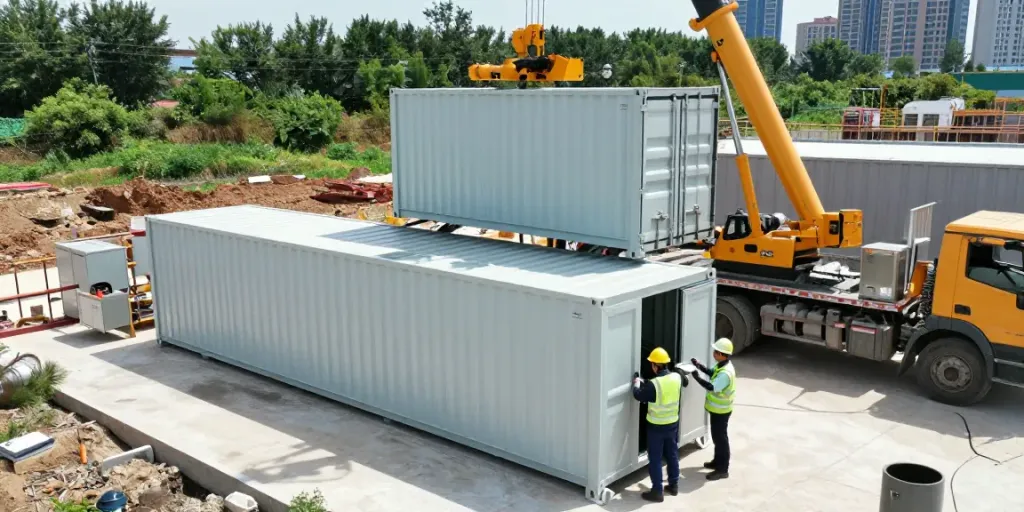
Containerized wastewater treatment systems are self-contained units designed within standard shipping containers (commonly 20 or 40 feet in size) that house all necessary components for wastewater treatment. These systems are engineered for swift deployment and ease of installation, making them particularly suitable for remote locations or instances requiring rapid deployment in the face of environmental challenges. They integrate various treatment technologies—such as screening, biological treatment, and filtration—to facilitate the effective processing of wastewater, ensuring compliance with environmental regulations.
Key Features and Components of Modular Units
These wastewater treatment systems are characterized by a series of essential features that contribute to their functionality:
- Compact Design: The use of shipping containers allows for a small footprint, making these systems easily transportable and applicable in confined spaces.
- Pre-Engineering: Each system is pre-engineered at the manufacturing site, which minimizes the on-site assembly time and ensures a consistent quality of treatment processes.
- Flexibility: They can be altered or expanded based on specific treatment needs, providing tailored solutions to meet varying wastewater challenges.
- Integration of Technologies: Advanced technologies such as membrane bioreactors (MBRs) or advanced oxidation processes can be incorporated into the modular units, enhancing treatment efficacy.
Applications Across Industries
Containerized wastewater treatment systems have a broad spectrum of applications across different sectors:
- Municipalities: Local governments utilize these systems for temporary or permanent sewage treatment solutions, especially in areas with limited infrastructure.
- Oil and Gas: The industry employs containerized systems for treating produced water and ensuring compliance with stringent environmental regulations.
- Agriculture: Farms leverage these systems for treating runoff and wastewater, promoting sustainability practices within agricultural operations.
- Construction Sites: As temporary solutions, these systems manage wastewater generated during construction projects, reducing environmental impact.
Benefits of Containerized Wastewater Treatment Systems
Operational Flexibility and Rapid Deployment
One of the significant advantages of containerized wastewater treatment systems is their operational flexibility. They can be quickly deployed and are particularly effective in emergency situations. For instance, when disasters disrupt existing wastewater systems, these units can be mobilized within days, providing uninterrupted treatment services. The modular design also allows for easy adjustments to capacity or technology based on evolving needs, catering to both small-scale and large-scale operations.
Cost-Effectiveness Compared to Traditional Systems
Traditional wastewater treatment systems can be prohibitively expensive and time-consuming to install. In contrast, containerized systems minimize these costs. The pre-engineered nature means that installation requires less labor and time, significantly reducing installation expenses. Moreover, these systems often require lower maintenance costs due to their robust construction and integrated technology. This cost-effectiveness makes them an attractive option for both public and private sectors.
Environmental Compliance and Sustainability
Adherence to environmental regulations is critical for any wastewater treatment solution. Containerized systems are designed to meet or exceed regulatory standards, ensuring that treated wastewater is safe for discharge or reuse. Their efficient processing capabilities also mean that water recycling initiatives can be more effectively implemented, fostering sustainable practices across industries. This focus on sustainability is not just a regulatory necessity but also a growing demand from environmentally conscious stakeholders.
Challenges Faced by Wastewater Treatment System Manufacturers
Regulatory Compliance and Standards
Manufacturers face the ongoing challenge of keeping up with evolving regulations regarding wastewater treatment. Compliance with these regulations necessitates continual adjustments to system designs and operational practices, which can be both complex and costly. Companies must invest in research and development to ensure their systems are compliant while still meeting client demands for performance and efficiency.
Market Competition and Innovation Pressure
The wastewater treatment industry is characterized by intense competition, with numerous manufacturers vying for market share. This competition drives innovation, pushing manufacturers to develop more efficient, cost-effective, and environmentally friendly solutions. To remain competitive, companies must be proactive in adopting new technologies and optimizing existing systems.
Adapting to Technological Advances
The rapid pace of technological advancements poses both challenges and opportunities for wastewater treatment system manufacturers. Innovations in materials, treatment methods, and digital monitoring systems can significantly enhance performance but also require manufacturers to continually upgrade their systems and training for staff. Adapting to these changes is essential for maintaining operational effectiveness and client satisfaction.
Best Practices for Selecting a Wastewater Treatment System
Assessing Your Specific Treatment Needs
Before selecting a wastewater treatment system, it is crucial to thoroughly assess the specific treatment needs of the intended application. Factors such as the volume of wastewater, the type of contaminants, and regulatory requirements should be evaluated. This assessment will guide the selection of the most suitable system, whether containerized or traditional, ensuring optimal performance.
Evaluating Manufacturer Reputation and Support
Choosing a reputable manufacturer is vital for ensuring the reliability and effectiveness of the wastewater treatment system. Evaluating a manufacturer’s track record, client testimonials, and after-sales support can provide valuable insights into their reliability. A manufacturer that offers comprehensive support and ongoing maintenance services can significantly enhance the lifespan and efficiency of the treatment system.
Comparing Modular vs. Traditional Systems
When considering wastewater treatment options, it is important to compare the benefits of modular systems versus traditional fixed installations. Modular systems often offer greater flexibility and reduced installation times, while traditional systems may provide higher capacities or integrated technologies. Understanding the specific needs of your operation will aid in making an informed decision.
Future Trends in Wastewater Treatment Technology
Advances in Treatment Methods and Materials
The wastewater treatment landscape is poised for transformation with advances in treatment methods and materials. Innovations such as enhanced bioreactor designs and advanced filtration technologies are expected to improve treatment efficiency and reduce operational costs. As the industry progresses, materials that enhance system longevity and performance will become critical, enabling manufacturers to meet the increasing demand for robust treatment solutions.
Integration with Smart Technology
Smart technology is set to revolutionize wastewater treatment, enabling real-time monitoring and automated adjustments to treatment processes. The integration of IoT devices and AI analytics will facilitate more efficient operations, allowing for predictive maintenance and reducing downtime. This technological shift will empower wastewater treatment providers to optimize their processes while enhancing compliance and sustainability.
Predictions for the Industry in 2026
Looking ahead to 2026, the wastewater treatment industry is likely to experience significant growth driven by increasing urbanization and stringent environmental regulations. The demand for containerized and modular wastewater treatment systems will continue to rise as municipalities and industries seek adaptable and efficient solutions. Additionally, environmental sustainability and water reuse initiatives will shape product development and market strategies.
What are the top 10 largest wastewater treatment plants in the USA?
Some of the largest wastewater treatment plants in the USA, known for their capacity and technological advancements, include the Stickney Water Reclamation Plant in Chicago, Illinois, and the Hyperion Treatment Plant in Los Angeles, California. These facilities exemplify the scale and sophistication required for urban wastewater treatment and continually evolve to incorporate the latest technology and sustainability practices.
Who are the largest water treatment companies?
The water treatment industry is dominated by several leading companies, including Veolia, SUEZ, and Xylem. These organizations have established a strong presence in the market through innovative solutions and comprehensive service offerings, positioning themselves at the forefront of wastewater treatment technologies.
What are some popular brands of wastewater pumps?
Leading brands known for their wastewater pump solutions include Grundfos, Gorman-Rupp, and Zoeller. These manufacturers provide a range of pumps designed for various applications, ensuring reliability and efficiency in wastewater management.
What is the best sewage treatment system?
The best sewage treatment system varies based on specific needs and applications. However, systems that balance efficiency, compliance with regulations, and operational flexibility, such as containerized systems, are often favored for their adaptability and quick deployment capabilities.
How do containerized systems enhance water recycling?
Containerized systems enhance water recycling by providing efficient treatment processes that meet or exceed quality standards for reuse. By integrating advanced treatment technologies, these systems can effectively remove contaminants, allowing treated water to be repurposed for irrigation, industrial processes, or even potable use, thus contributing to a more sustainable water management strategy.