Understanding the Importance of Loyalty Programs
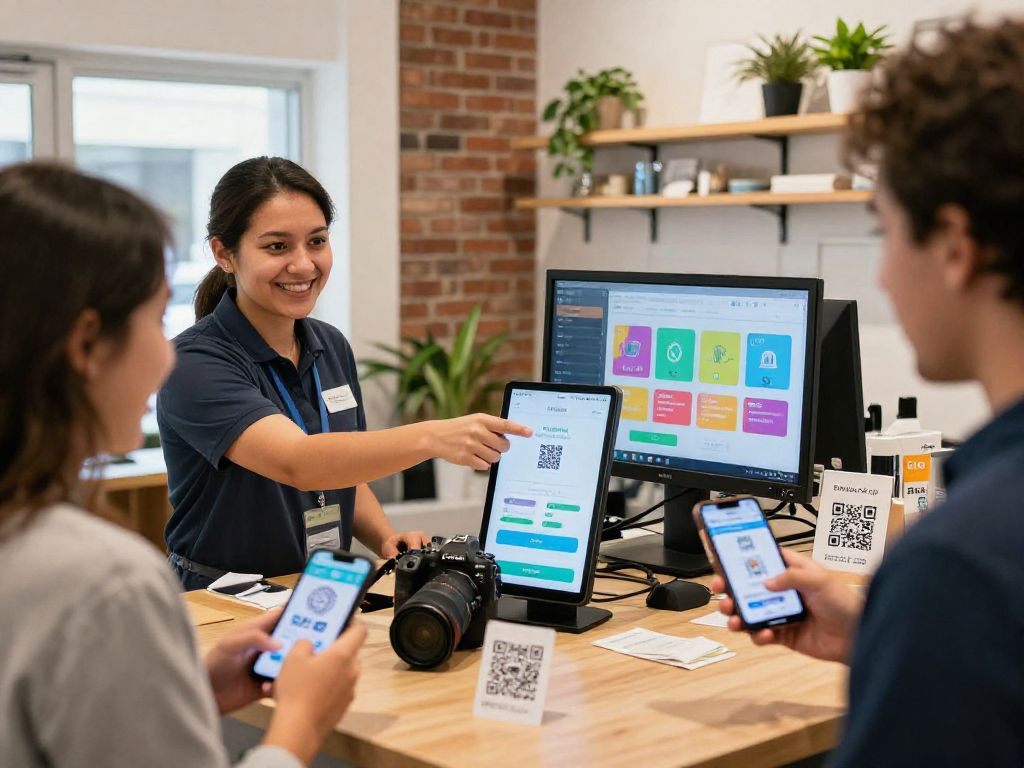
In today's highly competitive market, small businesses must adapt and innovate to retain customers and encourage repeat business. One of the most effective strategies to achieve this is through implementing loyalty programs. These programs not only enhance customer satisfaction but also create a deeper connection between customers and the brand. By focusing on providing value and rewards, small businesses can drive growth, increase customer retention, and ultimately boost their bottom line. When exploring options, loyalty programs can become a powerful tool for business success.
What are Loyalty Programs and How Do They Work?
Loyalty programs are structured marketing strategies designed to encourage customers to continue to shop at or use the services of businesses associated with the program. In essence, they provide incentives for repeat purchases, which can take the form of discounts, points, cashback, or exclusive offers. Typically, customers sign up for a loyalty program by providing some personal information, which allows businesses to track their spending patterns and preferences. Each time a customer makes a purchase, they earn rewards based on the program's design, which they can redeem later.
The Psychological Benefits of Loyalty for Customers
Loyalty programs tap into various psychological triggers that motivate customers to remain loyal to a brand. For instance, the anticipation of receiving rewards can create excitement and drive repeat business. Additionally, knowing that they are appreciated through points or cashback can foster a sense of belonging and community among customers. This emotional connection is crucial; when customers feel valued, they're more likely to choose your business over competitors.
Why Small Businesses Should Prioritize Customer Loyalty
For small businesses, every customer counts. Establishing a loyal customer base can lead to consistent revenue streams and greater brand advocacy. Loyal customers not only return but are also more likely to recommend your business to others, serving as cost-effective marketing channels. Moreover, they often exhibit higher spending habits compared to new customers, making it vital for small businesses to invest in loyalty programs to cultivate and maintain these relationships.
Diving into BonusQR: Features and Benefits
BonusQR stands out as a versatile loyalty application designed specifically for small businesses. With its QR-code-based functionality, it offers a seamless way to implement loyalty rewards without the need for an expensive point-of-sale (POS) system. This flexibility makes it easy for any business model to adopt and customize the service according to their specific needs, ensuring that each loyalty program is unique and effective.
Automated Marketing: Streamlining Customer Engagement
One of the most significant advantages of BonusQR is its automated marketing features. Businesses can send personalized push notifications and emails that inform customers about new promotions, events, and rewards. This automation not only saves time but also ensures that customers remain engaged with the brand. By establishing a consistent line of communication, BonusQR helps businesses reinforce their brand message, encourage repeat visits, and enhance customer loyalty.
Customizable Rewards: Tailoring to Your Business Needs
BonusQR allows businesses to tailor their loyalty programs to fit their unique brand identity and customer expectations. From points accumulation to cashback offers, businesses have the flexibility to design a rewards system that resonates with their target audience. Whether it’s through punch cards for coffee shops or discount accumulation for retail stores, the ability to customize rewards ensures that customers feel personally valued.
Insights and Analytics: Making Data-Driven Decisions
Data is a powerful ally in understanding customer behavior. BonusQR provides detailed analytics that allow businesses to track customer engagement, spending patterns, and popular rewards. This data can be crucial for making informed decisions about marketing strategies and improving customer experiences. By leveraging insights, businesses can continually refine their loyalty programs to meet the evolving needs of their customer base.
Effective Strategies for Implementing Loyalty Programs
Setting up a loyalty program is more than just offering discounts; it requires careful planning and consideration. Here are some effective strategies to ensure your loyalty program is successful:
Steps to Design a Successful Loyalty Program
- Define Your Goals: Establish what you want to achieve with the loyalty program, such as increasing customer retention rates or boosting average order values.
- Know Your Audience: Research your customers to understand their preferences, behaviors, and motivations. Tailor your program to meet their expectations.
- Choose the Right Reward Structure: Decide on a points system, cashback offers, or discounts that will resonate with your customers and encourage repeat visits.
- Promote Your Program: Actively promote your loyalty program through various channels, including in-store displays, social media, and email marketing, to ensure all customers are aware of the benefits.
- Monitor and Adapt: Regularly assess the program’s performance and be prepared to make adjustments based on customer feedback and data analytics.
Common Pitfalls to Avoid When Setting Up Loyalty
- Complexity: Keep your loyalty program simple and easy to understand. Overly complicated systems can deter participants.
- Lack of Promotion: Failing to market your loyalty program can lead to low participation rates. Make sure your customers know how to sign up and benefit.
- Neglecting Customer Feedback: Ignoring customer opinions and preferences can negatively impact your program's success. Always listen to their needs and adjust accordingly.
Real-Life Examples of Successful Loyalty Programs in 2026
As we move through 2026, numerous small businesses have successfully implemented loyalty programs that showcase innovative and effective strategies. For instance, a local coffee shop implemented a points system where customers earn points for every purchase. Once they reach a certain threshold, they can redeem points for a free drink of their choice. Not only did this program increase customer retention by 40%, but it also enhanced customer satisfaction, encouraging them to recommend the shop to others.
The Future of Loyalty Programs: Trends to Watch
The landscape of customer engagement is ever-evolving, and loyalty programs are no exception. As technology adapts alongside consumer preferences, businesses must stay ahead of the curve to remain competitive. Here are some trends shaping the future of loyalty programs:
Emerging Technologies Impacting Loyalty Programs
From mobile applications to advanced data analytics, emerging technologies are transforming how loyalty programs are designed and implemented. QR codes, like those used in BonusQR, offer a modern, convenient solution for customers to engage with loyalty systems easily. Blockchain technology is also gaining traction, providing secure and transparent transactions that can benefit loyalty reward systems.
How Consumer Preferences Are Shaping Loyalty Strategies
Today's consumers are more discerning than ever. They expect personalized services and rewards that cater to their individual preferences. Businesses must adapt their loyalty programs to include personalized offers based on customer behavior, making them feel unique and valued. The incorporation of gamification elements—like leaderboards or achievement badges—can also enhance engagement and create a more rewarding experience for customers.
Predictions for Loyalty Programs in 2026 and Beyond
Looking ahead, businesses can expect loyalty programs to become increasingly integrated with cross-channel marketing efforts. Customers will engage with brands through various touchpoints, and loyalty programs will need to offer omnichannel experiences that provide seamless transitions between online and offline engagements. Furthermore, sustainability will play a critical role; consumers are becoming more conscious about their purchasing decisions, prompting businesses to implement eco-friendly rewards.
Maximizing the Impact of Your Loyalty Program
To fully leverage the benefits of a loyalty program, businesses should consider integrating it into their broader customer engagement strategies. Here are some methods to maximize the impact:
Integrating Loyalty Programs with Customer Feedback
Encouraging feedback from customers regarding the loyalty program can provide valuable insights. Implementing a system where customers can easily share their thoughts can help businesses identify what works and what doesn't. This feedback loop is essential for continuous improvement and adaptation.
Using Social Media for Enhanced Loyalty Engagement
Social media platforms present a unique opportunity to promote loyalty programs and engage with customers. Sharing exclusive offers, announcing milestones, and showcasing customer success stories can enhance the visibility of your program, driving higher participation rates. Creating shareable content can also encourage customers to spread the word among their networks.
Measuring the Success of Your Loyalty Program
To gauge the effectiveness of your loyalty program, it's crucial to define key performance indicators (KPIs) such as customer retention rates, average transaction value, and program participation levels. Regularly reviewing these metrics will help you understand the program's impact and make necessary adjustments to optimize performance.
What are the key benefits of loyalty programs?
Loyalty programs offer numerous benefits for businesses, including increased customer retention, boosted sales, and enhanced customer satisfaction. By incentivizing repeat purchases, businesses can foster stronger relationships with their customers and encourage long-term loyalty.
How can I effectively promote my loyalty program?
Effective promotion of your loyalty program can be achieved through a combination of in-store displays, newsletter signups, social media campaigns, and personalized email marketing. Ensuring that all touchpoints communicate the value and ease of joining the program will significantly increase participation.
What types of rewards should I offer customers?
The rewards you offer should align with your customer base. Popular options include discounts on future purchases, exclusive member-only sales, freebies, or points that can be redeemed for rewards. Tailoring the reward structure to your audience’s preferences is key to success.
Are digital loyalty programs better than traditional ones?
Digital loyalty programs often provide a more streamlined and engaging experience than traditional paper-based systems. They allow businesses to track customer behavior and preferences more accurately, leading to more personalized rewards and communications.
How do I measure the effectiveness of my loyalty program?
To measure the effectiveness of your loyalty program, examine metrics such as customer retention rates, the frequency of repeat purchases, and program participation rates. For more information, loyalty offers valuable insights. Customer feedback is also invaluable in gauging satisfaction and areas for improvement.