Understanding Railroad Construction
Overview of Railroad Construction Projects
Railroad construction is a multifaceted process that involves various stages, from planning and design to execution and maintenance. Effective railroad construction projects require coordination among multiple stakeholders, including engineers, contractors, and government agencies. Large-scale projects such as new rail lines, bridges, tunnels, and station upgrades are complex undertakings that necessitate a combination of technical expertise and careful project management. A successful project will not only be completed on time and within budget but will also meet safety and regulatory standards.
Importance of Railroad Infrastructure
The significance of railroad infrastructure cannot be overstated. It serves as a backbone for our economy, facilitating the movement of goods and people efficiently. Railroads account for a substantial portion of freight transport, reducing congestion on roads and lowering greenhouse gas emissions. Furthermore, well-developed rail infrastructure enhances access to remote locations, boosting regional economies. In addition to economic benefits, an effective railroad system also contributes to the social equity of transport, providing accessibility for diverse populations.
Key Components of Railroad Systems
Railroad systems comprise several key components that work together to ensure safe and efficient operations. These include:
- Track Structure: The foundation of any railroad is its track structure, consisting of rails, ties, ballast, and subgrade.
- Signaling Systems: Essential for regulating train movements and ensuring safety, signaling systems use lights and electronic signals.
- Stations and Terminals: These facilities serve as critical points for passenger and freight exchanges.
- Maintenance Facilities: Essential for the upkeep of rolling stock and the track system itself.
Key Techniques and Practices in Railroad Construction
Preparing the Site for Construction
Site preparation is crucial in railroad construction, involving clearing the land, grading, and drainage to ensure that the area is suitable for track laying. This phase may include environmental assessments to identify potential impacts and compliance with regulations. Proper site preparation lays the foundation for successful project execution, minimizing delays once construction begins.
Track Installation Methods
Installing tracks involves a series of meticulous steps, including:
- Ballasting: Laying down the ballast to create a stable base for the track.
- Laying Rails: Setting and securing the rails onto the prepared ballast.
- Alignment and Leveling: Ensuring that both rails are correctly aligned and leveled to facilitate smooth train movement.
- Jointing: Connecting the rails at interfaces to maintain structural integrity.
Quality Control in Railroad Construction
Quality control is a vital aspect of any railroad construction project. Regular inspections and tests are conducted at each phase of the project to ensure compliance with safety standards and specifications. This includes track geometry measurements, rail welding quality tests, and assessments of the ballast layer. Quality control helps prevent costly repairs and ensure long-term durability.
Tools and Machinery Used in Railroad Construction
Essential Equipment for Track Laying
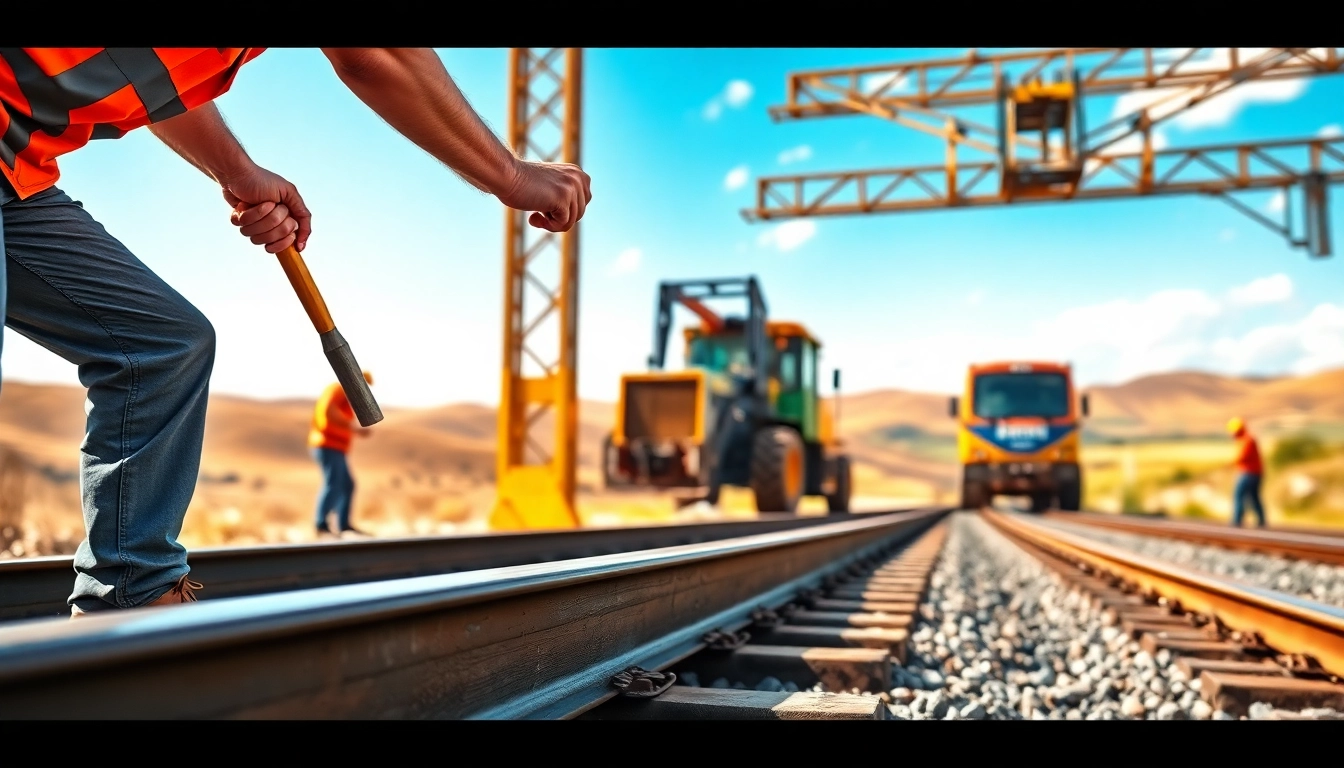
Track laying requires specialized machinery to enhance efficiency and precision. Essential equipment includes:
- Railroad Cranes: For moving heavy materials.
- Ballast Regulators: To maintain the quality of the ballast.
- Track Lifters: For elevating components during installation.
- Stone Blowers: For ensuring uniform ballast distribution.
Safety Gear and Protocols
Safety is paramount in railroad construction, necessitating the use of appropriate safety gear such as hard hats, safety vests, and steel-toed boots. Additionally, strict safety protocols must be followed, including regular safety meetings, adherence to guidelines while operating machinery, and the proper handling of materials to prevent accidents and injuries.
Innovative Technology in Railroad Construction
With advancements in technology, railroad construction is evolving. Innovations such as drones for site surveying, automated machinery for precision track laying, and real-time monitoring systems for track health are setting new benchmarks. These technologies not only enhance productivity but also significantly improve safety standards across construction sites.
Challenges Faced in Railroad Construction
Environmental Considerations
Environmental impacts represent a significant challenge in railroad construction. Projects often require comprehensive environmental impact assessments to evaluate potential disturbances to ecosystems, wildlife, and waterways. By implementing strategies to mitigate risks, such as constructing noise barriers and preserving wildlife habitats, companies can balance development with environmental stewardship.
Logistical Challenges
Coordinating logistics is another potential stumbling block. Railroad construction involves managing the supply chain for materials, scheduling labor, and coordinating with various stakeholders. Communication and efficiency in logistics are essential to avoid delays and ensure that projects are completed on time and within budget.
Regulatory Compliance and Safety
Compliance with local, state, and federal regulations is a significant challenge in railroad construction. Navigating the complex regulatory landscape requires diligence and expertise. Contractors must stay abreast of new regulations, especially concerning safety standards and environmental protections, to avoid penalties and ensure project viability.
The Future of Railroad Construction
Trends Shaping the Industry
Several trends are currently shaping the future of railroad construction. The focus is shifting towards modernization, with investments in smart technology and the automation of various construction processes. Additionally, there is a marked interest in high-speed rail systems, further driving the need for advanced materials and methods in construction.
Sustainability in Railroad Development
Sustainability is becoming increasingly pivotal in railroad construction. Stakeholders are prioritizing eco-friendly practices, from using renewable materials to employing energy-efficient machinery. Designing for sustainability not only addresses regulatory requirements but also appeals to environmentally-conscious consumers and communities, showcasing corporate responsibility.
Advancements in Materials and Techniques
Railroad construction is progressively benefiting from advancements in materials science and engineering techniques. The use of resilient composite materials, such as fiber-reinforced polymers, is becoming more common due to their strength and lightweight properties. Moreover, modern construction methods like 3D modeling are improving planning efficiency, allowing for quicker modifications and better visualization of the projects.
Frequently Asked Questions
What are the main phases of a railroad construction project?
A railroad construction project generally consists of site preparation, track installation, quality control, and completion phases.
How do environmental regulations impact railroad construction?
Environmental regulations require thorough assessments to mitigate impacts on ecosystems and habitats, influencing project design and timelines.
What types of machinery are essential for railroad construction?
Key machinery includes cranes, ballast regulators, track lifters, and stone blowers, enabling efficient and accurate track installation.
What safety protocols should be observed in railroad construction?
Safety gear is essential, along with strict adherence to operating protocols and regular safety meetings to prevent accidents and injuries.
What are the future trends in railroad construction?
The future will likely see increased modernization with smart technology, a focus on high-speed rail, and a commitment to sustainability and eco-friendly practices.
Contact Information
Call Us:(855) 920-8722Email: [email protected]Address: 350 Fossil Creek Boulevard, Suite 106, Fort Worth, TX, United States, Texas