Overview of Rail Systems Companies
What is a Rail Systems Company?
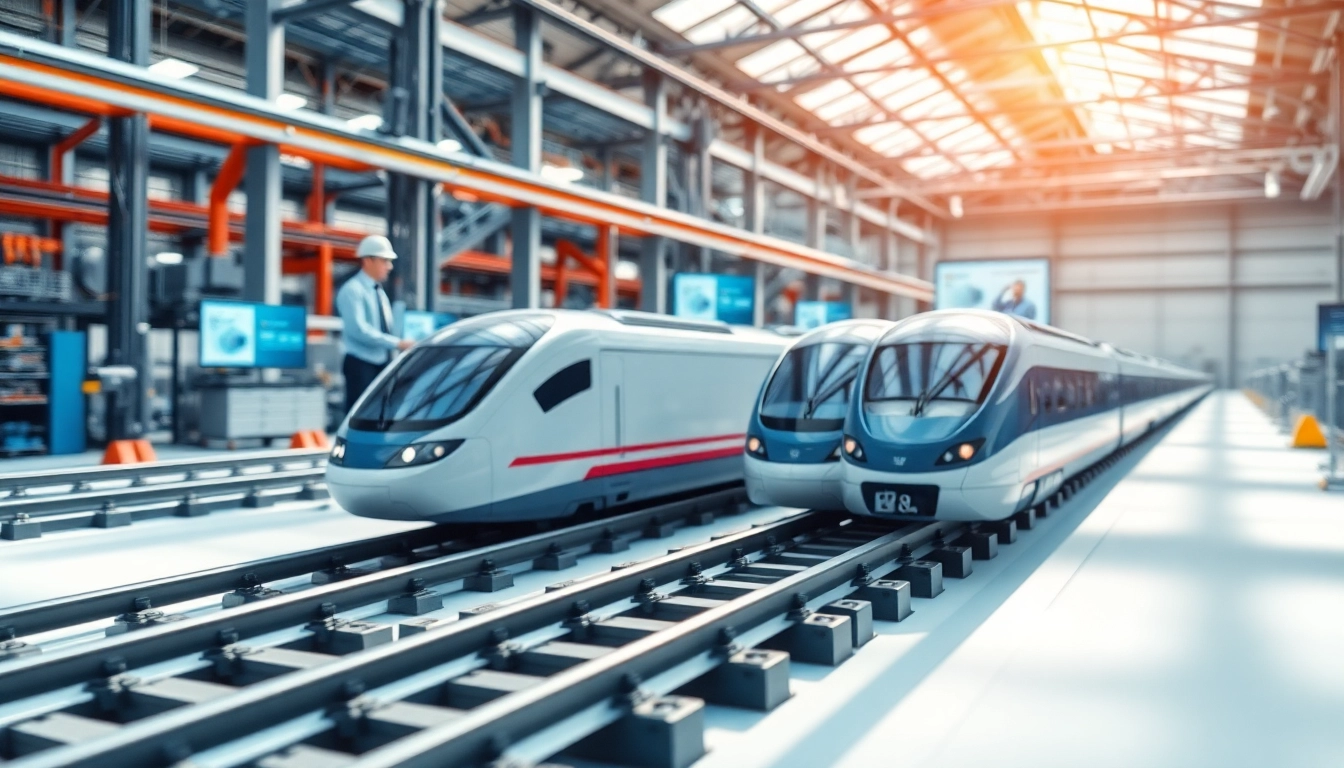
A rail systems company specializes in the design, implementation, and maintenance of rail systems that enhance transportation networks across urban, suburban, and rural areas. These companies play vital roles in modern economies, providing structural solutions to move cargo and passengers efficiently. Rail systems encompass a wide range of components, including tracks, signaling technologies, rolling stock, and operational frameworks that support both freight and passenger services.
Key Features of Modern Rail Systems
Modern rail systems are distinguished by several critical features that enhance their efficiency and reliability:
- Automation: The integration of automated signaling systems and train control technologies improves safety and reduces human error.
- Energy Efficiency: Energy-efficient trains and advanced power systems minimize operational costs and environmental impact.
- Interconnectivity: Rail systems are designed to connect with other modes of transportation, streamlining passenger transitions and cargo logistics.
- Real-time Data Analytics: The use of data analytics allows for predictive maintenance and optimization of train schedules, enhancing operational efficiency.
- Customer-Centric Services: Modern rail companies focus on improving user experiences by providing amenities, mobile ticketing, and user-friendly apps.
The Importance of Infrastructure in Rail Systems
Infrastructure forms the backbone of any rail system, significantly impacting its performance and reliability. High-quality tracks, bridges, tunnels, and rail yards are essential for maintaining high-speed services and ensuring safety. Adequate investment in infrastructure not only supports current requirements but also anticipates future demands, positioning rail systems as a backbone of sustainable transportation.
Design and Engineering in Rail Systems
Innovative Engineering Practices
Engineering in rail system design has evolved dramatically. Innovative practices now employ cutting-edge technology and engineering principles. Concepts such as modular design allow for easier upgrades and maintenance, while advanced modeling techniques improve planning accuracy. Furthermore, sustainability initiatives include using recyclable materials in construction and designing for energy efficiency, shaping the future of rail design.
Challenges in Rail System Design
Designing effective rail systems comes with specific challenges, including:
- Terrain Variability: Varying landscapes require customized solutions that can be costly and time-consuming.
- Technological Integration: Aligning new technologies with legacy systems poses risks of redundancy and operational hiccups.
- Funding and Budget Constraints: Financial limitations can hinder ambitious infrastructure projects, forcing compromises.
- Environmental Regulations: Compliance with environmental laws can complicate design processes, requiring additional planning and resources.
Successful Design Case Studies
Numerous case studies highlight successful engineering feats within rail systems. Notable examples include:
- High-Speed Rail Projects: Countries like France and Japan set benchmarks with their high-speed rail networks, demonstrating efficient design that minimizes travel times.
- Urban Light Rail Systems: Cities such as Portland have successfully implemented light rail systems that promote public transportation and decrease reliance on personal vehicles.
Technology Revolutionizing Rail Systems
AI and Automation in Rail Operations
Artificial intelligence and automation have led to transformative changes in rail operations. AI-driven systems offer predictive diagnostics that identify potential equipment failures before they occur, ensuring minimal disruptions. Trains are increasingly equipped with automated driving systems that enhance safety and efficiency, allowing for improved scheduling and reduced operational costs.
Data Analytics for Performance Improvement
The implementation of big data analytics within rail systems allows for deeper insights into performance metrics. By analyzing data from various sources, rail operators can optimize schedules, monitor train conditions, and enhance overall service reliability. Performance improvement initiatives leverage this data to tailor services to passenger needs, making rail systems more responsive and effective.
Sustainable Technologies in Rail Systems
Sustainability has become integral to the vision of modern rail systems. Innovations include hybrid and electric trains that reduce fossil fuel consumption and emissions. Infrastructure improvements, like using energy-efficient design and recyclable materials, contribute significantly to environmental goals. Forward-thinking rail companies invest in these sustainable technologies, ensuring that rail systems align with global sustainability efforts.
Safety Standards and Regulations
Understanding Rail Safety Protocols
Safety protocols in rail operations focus on minimizing risks and ensuring both passenger and freight safety. Comprehensive safety systems integrate several measures, including operator training, equipment inspections, and emergency response plans. Understanding these protocols is crucial for maintaining industry standards and public confidence in rail systems.
Global Regulations Impacting Rail Systems
Rail systems operate within a framework of global regulations that govern safety, environmental impact, and operational standards. These regulations help to standardize practices across different regions, ensuring that rail systems operate safely and effectively while catering to international standards. Adherence to these regulations is essential for securing necessary certifications and reducing liabilities.
Implementing Safety Innovations
Innovation in safety practices remains a priority for rail systems. Emerging technologies, such as drone inspections and AI monitoring systems, contribute significantly to enhancing safety standards. Companies must continually adapt and integrate these innovations into their operations to remain compliant and secure.
Future Trends for Rail Systems Companies
Emerging Technologies on the Horizon
The future of rail systems will likely see the extensive adoption of new technologies, such as real-time tracking systems, advanced sensor technologies for maintenance, and fully autonomous trains. Continuous advancements in these areas are set to redefine operational capabilities, safety standards, and customer experiences within the rail industry.
Market Demands and Consumer Needs
As urbanization increases, the demand for faster and more efficient transport solutions grows. Rail systems companies must adapt to these needs by enhancing service frequency and quality. Addressing passenger demands through amenities and user-friendly interfaces will help attract a broader consumer base.
Preparing for Future Challenges
Challenges such as climate change, budget constraints, and technological shifts will require proactive strategies from rail systems companies. Developing resilient infrastructure, engaging stakeholders, and investing in sustainable technologies are critical steps to navigate an evolving landscape successfully.
Frequently Asked Questions
What is the primary role of a rail systems company?
A rail systems company designs, implements, and maintains rail infrastructure to facilitate efficient transport of passengers and goods, ensuring safe operations.
How does technology enhance rail operations?
Technology enhances rail operations through automation, AI integration, and data analytics, improving safety, efficiency, and customer service.
What challenges do rail systems companies face?
Challenges include funding limitations, compliance with regulations, technological integration, and varying terrains that impact design and engineering.
Why is safety a priority in rail systems?
Safety is crucial in rail systems to protect passengers and freight, ensure compliance with regulations, and maintain operational integrity and public trust.
What trends are shaping the future of rail systems?
Trends include the adoption of sustainable technologies, automation, increasing connectivity, and focusing on consumer-centric services in transport solutions.
Contact Information
Call Us: 780.400.4104Email: [email protected]Address: 3403 74 AVE NW , T6B 3B8